Every year on 24 January, World Education Day is celebrated, established by the United Nations General Assembly in 2018 to remind us that the right to education is a fundamental human right, enshrined in Article 26 of the Universal Declaration of Human Rights, proclaimed in 1948 by the same UN Assembly.
Article 28 of the 1990 UN Convention on the Rights of the Child also enshrines the right of children to education, while Goal 4 of the 2030 Agenda calls on countries to take action to ensure equitable and inclusive quality education and promote learning opportunities for all.
It is within this international framework that World Education Day fits in, through which the United Nations Assembly aims to keep international attention focused on the crucial importance of education as a fundamental lever for sustainable development, peace and the reduction of inequalities.
In this global context, in pursuit of its mission to ‘Empower people and communities’, since 2011 the Andrea Bocelli Foundation has been developing and supporting educational projects in line with Goal 4 of the United Nations 2030 Agenda, in the firm belief that education is the first and fundamental key to offering individuals and communities concrete opportunities for empowerment.
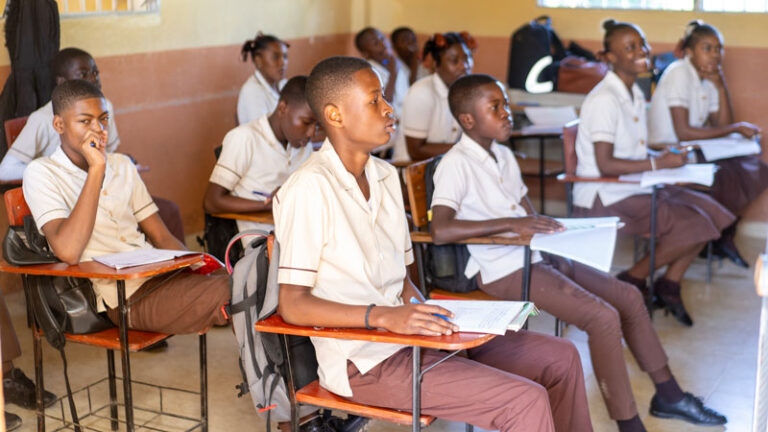
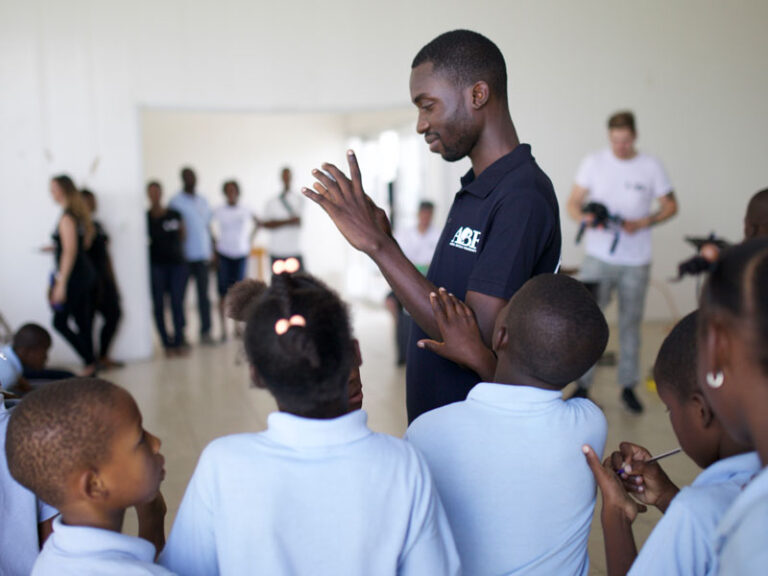
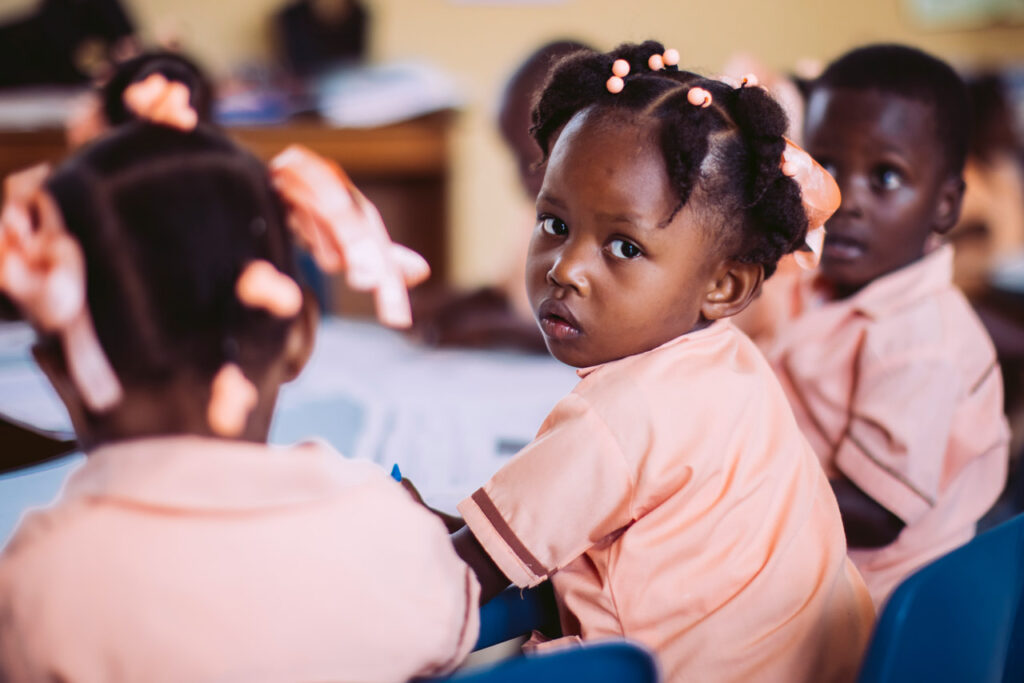
Consider the ABF schools in central Italy, which were affected by the 2016 earthquake, and in Haiti, where education is a vital opportunity for future generations. The Foundation’s schools provide over 3,600 students with a fair and quality education.
Education is also central to the ABF Digital Lab project, which uses new technologies to create learning environments in paediatric hospitals belonging to the AOPI (Italian Paediatric Hospitals Association) network, as well as in schools rebuilt by the Foundation after the 2016 earthquake in central Italy.
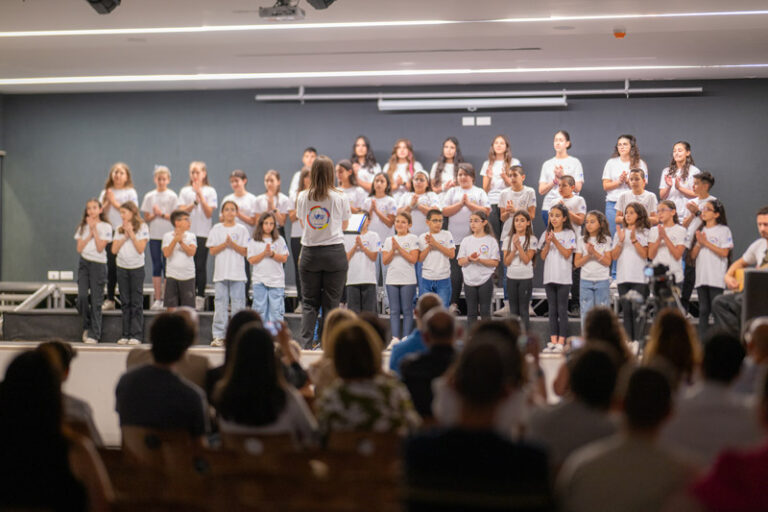
Music lies at the heart of the ABF Voices programme, which creates regional choirs in vulnerable areas around the world. This initiative provides children and young people with an opportunity to discover and develop their talents.
FAQ
What is World Education Day?
World Education Day is an annual event established by the United Nations General Assembly to celebrate the role of education in promoting peace, equality, and sustainable development.
When was it established?
It was established by Resolution 73/25 on 3 December 2018, with the first annual celebration taking place in 2019.
Why was it established?
To celebrate the role of education in peace and development. Without quality, equitable and inclusive education for all, countries will not be able to achieve gender equality or break the cycle of poverty leaving millions of children, young people and adults behind.
Why is it important?
World Education Day is important because it highlights the right to education, which is not guaranteed in terms of quality or access in many areas of the world.
The right to education is also linked to the major global issues that the Sustainable Development Goals of the 2030 Agenda address. While Goal 4 focuses directly on quality education, education also affects other goals, such as employment (SDG8), reducing inequalities (SDG10), health (SDG3), peace and strong institutions (SDG16).
Who celebrates it?
World Education Day is an event that anyone who believes in education as a human right and a tool for peace and development can celebrate.
It is officially celebrated by the United Nations and UNESCO, the UN agency responsible for education. UNESCO coordinates the day globally and organises high-level events with Member States, other UN agencies, accredited NGOs, young people, and teachers. Schools, universities, educational communities, and third-sector organisations committed to supporting the right to education — such as the Andrea Bocelli Foundation — also celebrate International Day of Education.