The right to education is recognized as a fundamental human right, enshrined in Article 26 of the Universal Declaration of Human Rights, adopted by the United Nations General Assembly on December 10, 1948.
Yet, despite significant progress in recent decades, an estimated 617 million children and adolescents worldwide are still unable to read, write, or perform basic math. Alarmingly, two-thirds of them attend school regularly, highlighting critical gaps in the quality of education.
Even more troubling is that millions of children and young people remain entirely excluded from the education system, with severe consequences for their personal growth and the development of their communities.
Data in The Price of Inaction confirm this: The Global Private, Fiscal, and Social Costs of Children and Youth Not Learning, UNESCO’s first global report, highlighting the financial toll on economies worldwide when children and youth are left behind in their educational journey.
According to UNESCO, 250 million girls and boys are excluded from schooling, and only 99 countries worldwide legally guarantee at least 12 years of free education.
This educational crisis is especially acute in certain regions where the skills gap is alarmingly high.
In sub-Saharan Africa, 94% of children do not achieve minimum learning levels, and in South and West Asia, 88% of students face the same challenge. Other regions are also heavily impacted, including the Arab States, where 74% of children struggle to meet basic learning standards, and Latin America and the Caribbean, with 64% falling behind.
This educational crisis stems from multiple interwoven factors, such as poverty, a shortage of schools and teachers, armed conflicts, and gender discrimination, which mainly limit girls’ access to education. The denial of education fuels cycles of poverty and inequality, stalling both personal and community development.
To tackle this issue, international conventions and treaties—including the Convention on the Rights of the Child and the 2030 Agenda for Sustainable Development—commit to advancing inclusive, high-quality education for all to break down these barriers and promote equal opportunities worldwide.

Andrea Bocelli Foundation Initiatives
The Andrea Bocelli Foundation, in its mission to “Empower people and communities,” has made education a cornerstone for creating real opportunities for growth and transformation.
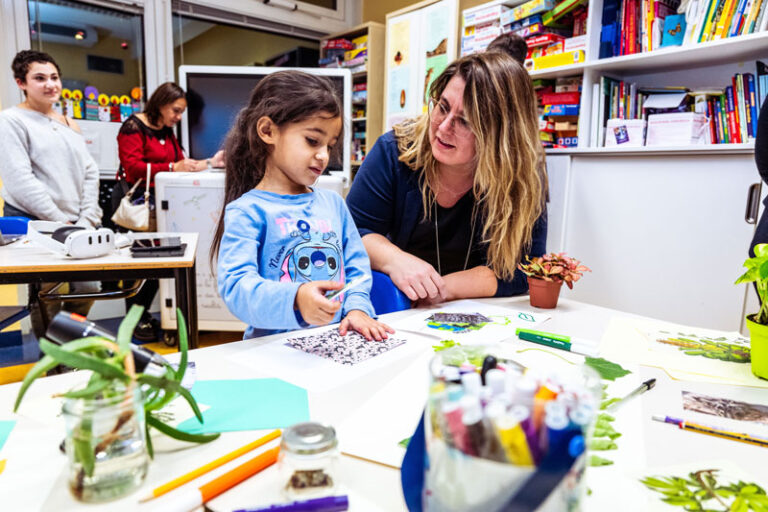
This commitment is guided by a profound belief that nurturing individuals begins with investing in their education. Using innovative approaches that blend art, music, and digital tools into learning, ABF aims to dismantle barriers that prevent people from realizing their full potential.
Since 2011, ABF has led educational projects to support the universal right to education, which aligns with the United Nations’ 2030 Agenda, specifically Goal 4.
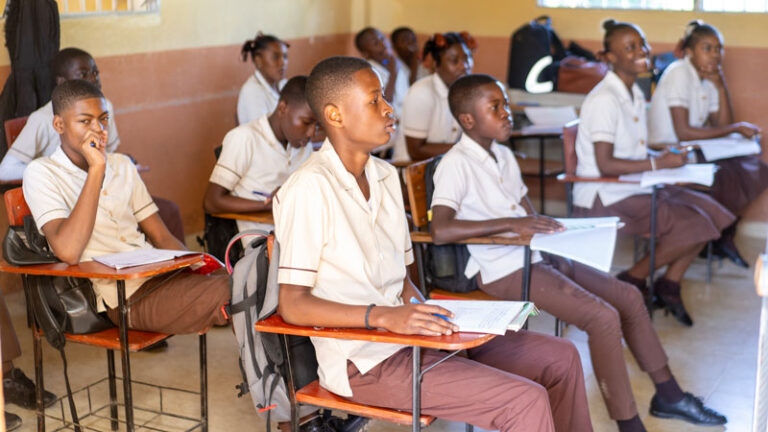
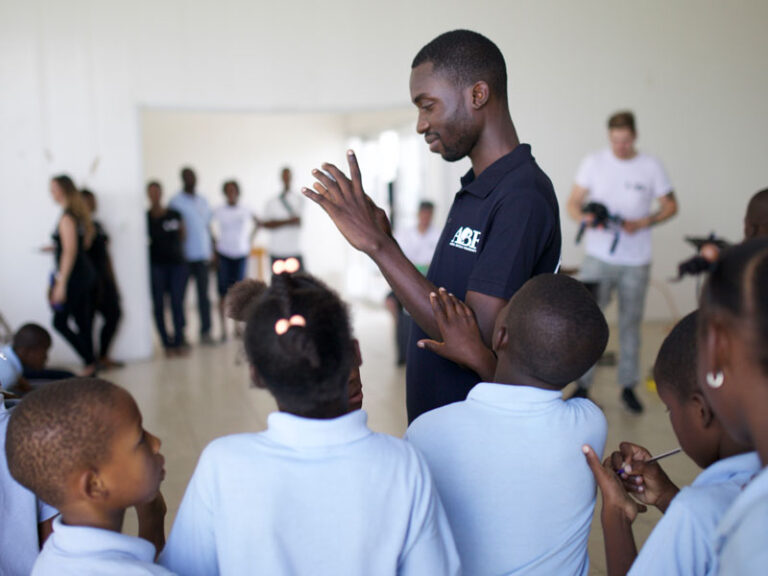
Today, ABF operates 12 schools across Italy and Haiti, ensuring more than 3,600 students have access to inclusive, high-quality education. In regions like Haiti, schools are not only places for learning but also provide a safe refuge from the dangers of crime, representing a lifeline for future generations seeking empowerment.
All schools that are part of the ABF educational projects in Haiti in Haiti are recognized and accredited, equivalent to public schools. They are staffed with licensed, qualified teachers, and the curriculum is adapted to meet the unique needs of local communities, fostering both personal growth and collective development.